
OUR STONES
PEARL
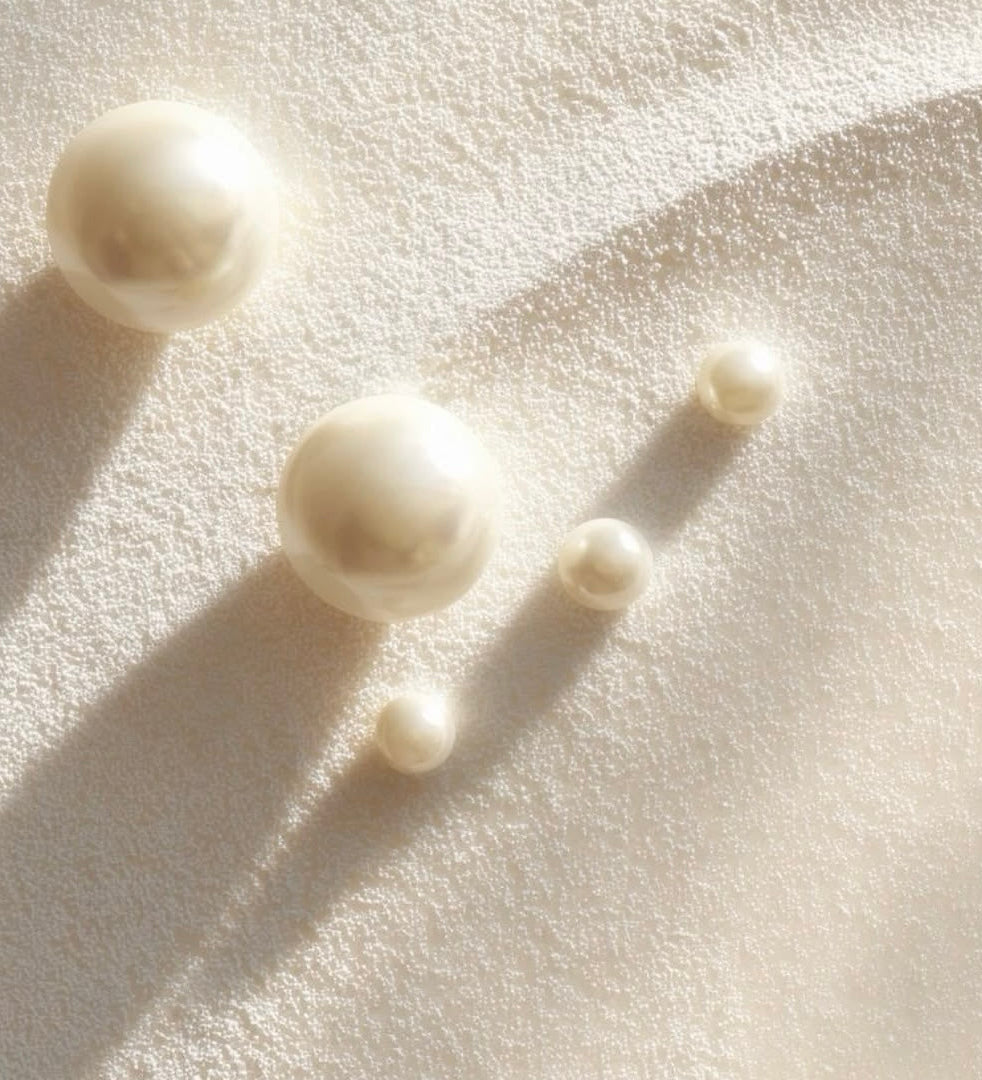
Pearls are without a doubt an extraordinary kind of gemstone. Formed in the bodies or mantle tissues of certain mollusks instead of deep in the earth, they can be natural or cultured. This unique origin has fascinated people for centuries. Unlike other gemstones, they usually don’t require any cutting or polishing, making them an expression of natural beauty. Apart from the classic white and cream shades, they can also occur in a wide variety of colors and overtones.
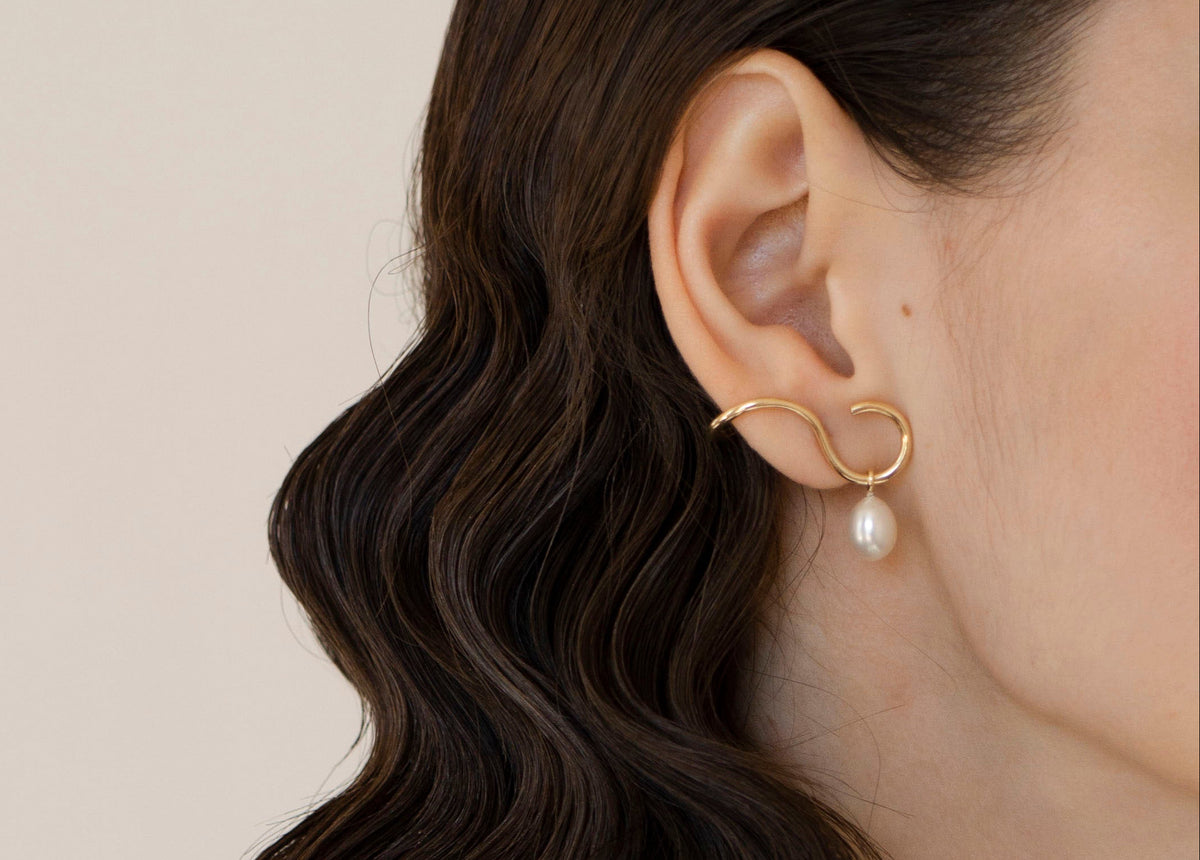
An overtone is a translucent color that seems to float over the main color of the pearl, adding depth to its appearance. Overtones are often pink, green, grey, purple or blue. When two or more overtone colors appear on the surface of a pearl, it creates an iridescent phenomenon called orient. It is described as a rainbow glow that changes with light and the movement of the gem. Orient is caused by the interaction of light with the microscopic layers of nacre that make up the pearl.
Pearls have been treasured for thousands of years, with their older written mention being in 2206 BC by a Chinese historian. Many ancient civilizations and members of royalty used natural pearls as adornments and symbols of purity. From those times and until the discovery of the New World, some of the sources of pearls were the Persian Gulf, Sri Lanka, China and Europe.
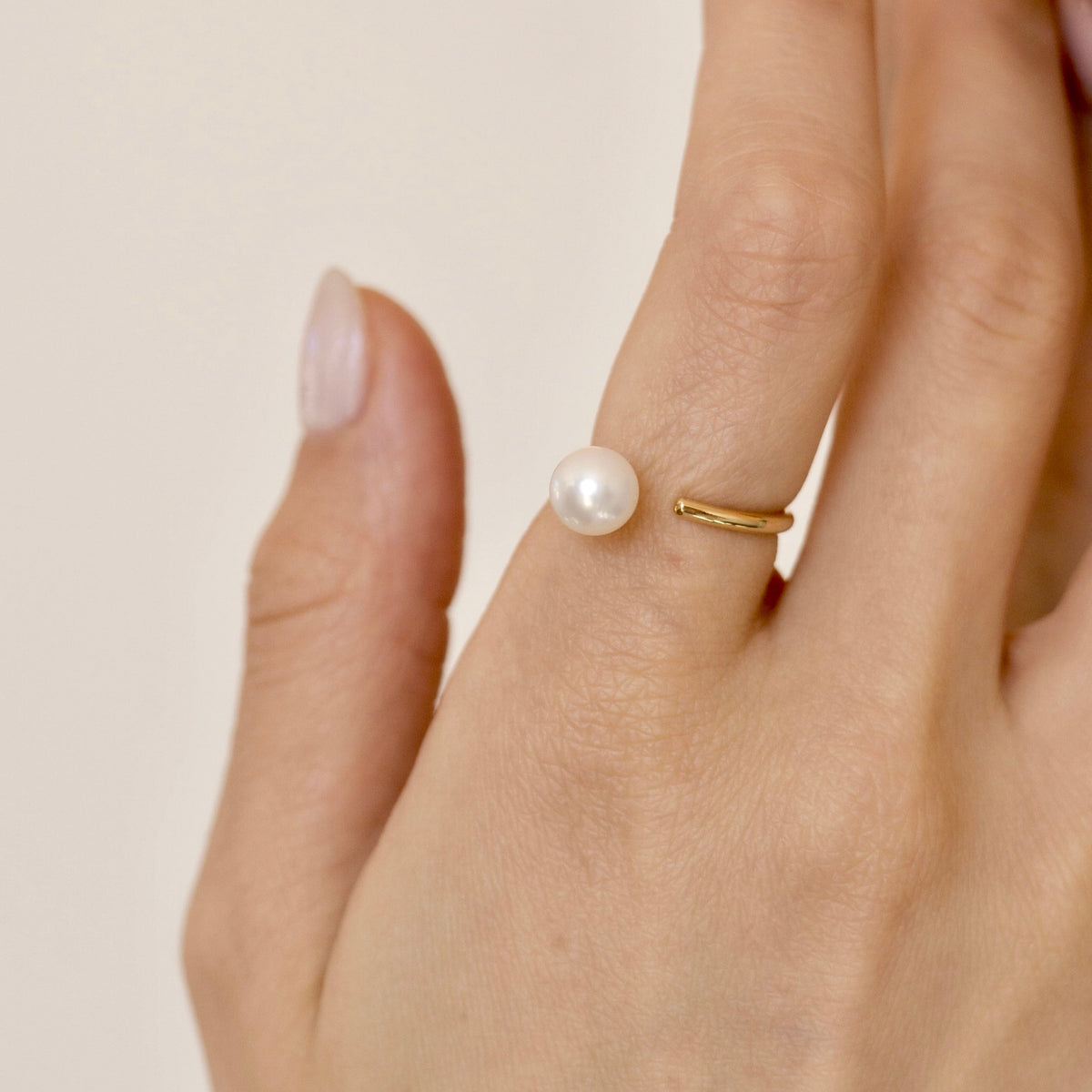
During the Spanish conquest, native people of the Americas were adorned with pearls coming from the waters of Venezuela and Panama. They associated them with the moon. This intensified the demand for the gem in Europe.
Later, in the beginning of the 20th century, China and Japan achieved to produce cultured pearls. Around 1920, when natural pearl production started to decrease, pearl culturing became more important and many countries started to practice it.
Today, most pearls are cultured, and there are four major types:
- Freshwater ones are the most popular in jewelry, they come in many shapes and colors and the main producer is China.
- Akoya cultured pearls are the most known saltwater pearls in the western markets. They are white and cream and they are produced in Japan and China.
- South Sea cultured pearls are saltwater and come from Indonesia, Australia and the Philippines. They are large and thick and can be white to silver or golden. Their long growth period and difficult growing conditions make them very valuable.
- Tahitian cultured saltwater pearls can be grey, black or brown and they usually have overtones. They are cultivated in the islands of French Polynesia.
Pearls are a treasure of earth’s waters and a symbol of natural elegance, grace and purity. Being soft and luminous, they are a classic and timeless gemstone that will always be relevant in jewelry. Their value doesn’t come only from their appearance, but also from the sense of refinement and tradition they have represented for years.

MADE IN ANTWERP
Our jewelry is entirely made in Antwerp, Belgium, by a team of experienced goldsmiths and artisans.
CERTIFICATE
All pieces will be carefully wrapped by our team, and sold with a certificate of authenticity.
FREE SHIPPING AND RETURNS
We offer worldwide secured delivery and returns, with no minimum purchase. Taxes and customs fees are included.
3 YEARS WARRANTY
A three-year guarantee is included with all Nayestones orders.