
OUR STONES
EMERALD

Admired for its deep green colour, the emerald is a precious stone that belongs to the Beryl family, a group of beryllium aluminum silicate minerals. Beryl is colorless, but some impurities produce different colors, resulting in green emeralds, blue-green aquamarines, and more. Beryllium gives the emerald its structure and chrome gives its characteristic color. Emeralds require very specific geological, temperature and pressure conditions to be formed, making them exceptional stones.
Its name comes from the Ancient Greek word “smaragdus”, which means green gem. The first known emerald mines were in Egypt, where the stone was already treasured by ancient civilisations. Cleopatra was known to have a passion for emeralds, she used them in her royal adornments as a symbol of power and youth.
In South America, pre columbian cultures such as the Incas or Aztecs had already been using and adoring emeralds for hundreds of years. After the Spanish conquest and during the 16th century, Colombian emeralds spread across royal courts in Europe and Asia, being associated with prestige. As a symbol of spring and renewal, emeralds were often offered to the dead or to the gods to bring eternal youth.
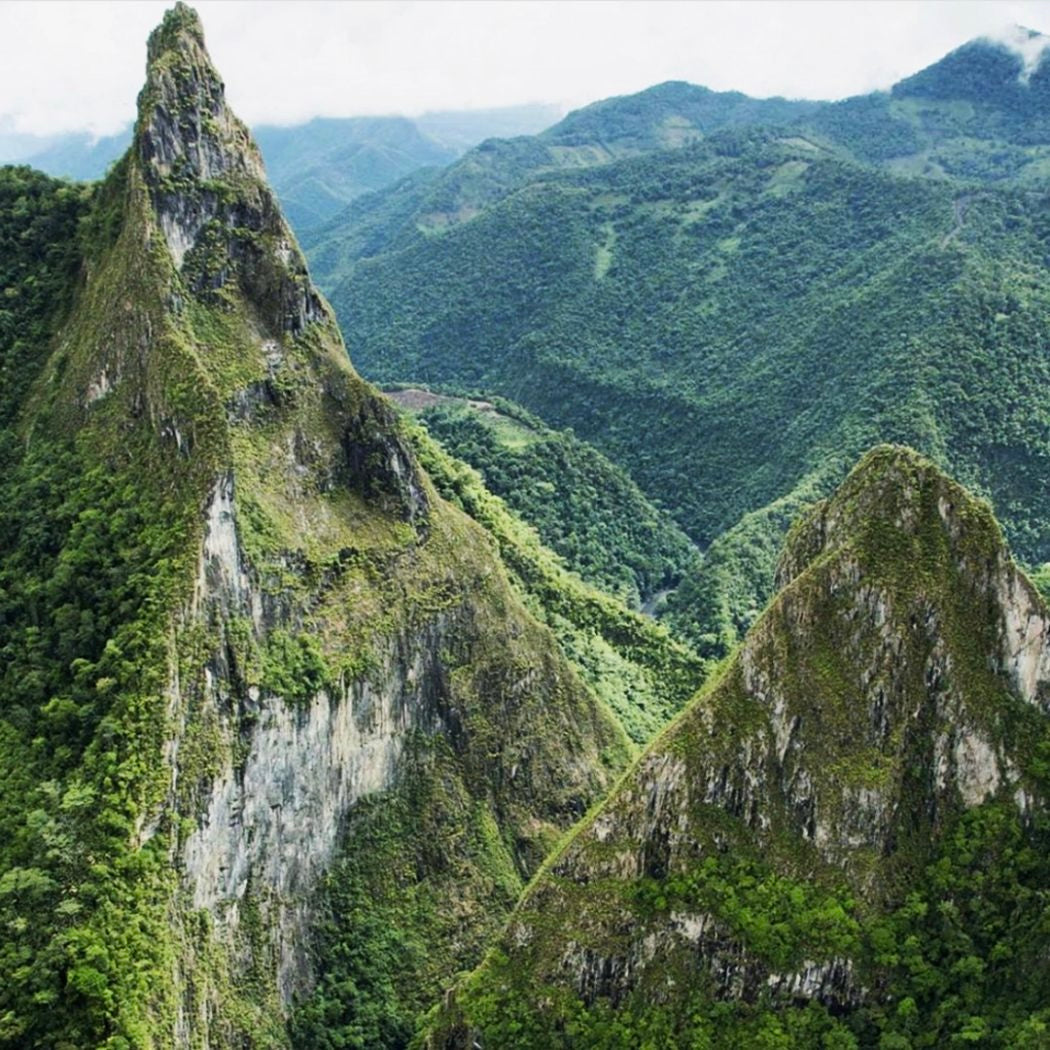

Today, the most celebrated emeralds come from: Zambia, where they have a slightly bluish tone; Brazil, which produces a range of lighter tones; and Colombia, the world’s leading producer, known for having the most valuable emeralds due to their intense and pure green. The most famous emerald mine in the world is the Muzo mine in Colombia, renowned for producing the purest emeralds.
With a 7,5/10 in the MOH scale, the emerald can be considered the softest of the precious stones. They are naturally more delicate because they contain visible inclusions formed during their growth. These inclusions are tiny internal features in the emerald such as fractures or minerals, they are referred to as “jardin” and they make each stone unique. Due to those natural inclusions, emeralds are often treated with cedar oil to fill little fissures and improve their durability.

Emeralds are typically cut in the “emerald cut”, a rectangular form designed to protect the stone from pressure. Unlike diamonds, coloured gemstones don’t have a specific global grading system. However, they are often assessed in three quality levels. “A” indicates standard quality, “AA” represents a better quality with fewer inclusions and “AAA” is the highest quality, which are stones with exceptional color, brilliance, and almost no visible imperfections.
Emeralds have always been admired by many cultures throughout history for their intense colour and beauty. Their natural inclusions, far from being imperfections, give each emerald uniqueness and charm. They have always been associated with renewal, rebirth, growth and prestige. They remain one of the favourite and most valued colored gemstones in jewelry.

MADE IN ANTWERP
Our jewelry is entirely made in Antwerp, Belgium, by a team of experienced goldsmiths and artisans.
CERTIFICATE
All pieces will be carefully wrapped by our team, and sold with a certificate of authenticity.
FREE SHIPPING AND RETURNS
We offer worldwide secured delivery and returns, with no minimum purchase. Taxes and customs fees are included.
3 YEARS WARRANTY
A three-year guarantee is included with all Nayestones orders.